

Best Bread and Wine Pairings for Every Occasion
Bread and wine pairings are all about matching textures and flavors to create a balanced, satisfying bite. It’s one of the oldest culinary friendships in history — and thankfully, one of the easiest to enjoy.
Bread is made from simple ingredients like flour, water, yeast, and salt, yet it appears in countless forms around the world. Wine is just as diverse, shaped by different regions, climates, and winemaking styles. Put the two together, and you get a pairing tradition that has been part of human meals for thousands of years.
The good news? You don’t need to be a sommelier or a master baker to enjoy it. Sometimes all you need is a good loaf, a nice bottle, and a little curiosity.
“Whether you’re wondering what wine goes with bread or just looking for easy bread and wine pairings, the good news is—you really can’t go too wrong.”
A Simple Rule for Pairing Bread and Wine
When pairing bread with wine, think about weight and flavor—because yes, even bread has a personality.
Heavier, denser breads tend to cozy up best with fuller-bodied wines, while lighter, airier breads prefer something a little more delicate in their glass. (Think: sourdough wants a bold red, while a fluffy baguette is just here for a crisp white and good vibes.)
The goal is balance—you want the bread and wine to complement each other rather than compete. No one likes a dinner table diva.
Think of it like a good conversation. Both sides should get a chance to shine… and neither should be talking over the other like they’ve had one too many glasses
Bread and Wine Pairings: Simple Combinations That Taste Amazing
Croissants & Champagne
Few pairings feel as effortlessly elegant as a buttery croissant and a glass of Champagne. The flaky, rich layers of the croissant contrast beautifully with the bright acidity and lively bubbles of Champagne.
The result is light, crisp, and just indulgent enough to make any morning feel special.
Perfect for brunch, a light lunch, or even a “breakfast for dinner” situation — because honestly, who made the rule that croissants only belong in the morning?

French Baguette & Champagne
A classic French baguette with Champagne is simple, yet incredibly satisfying. The crisp crust and airy interior of the bread pair beautifully with Champagne’s effervescence.
This combination works wonderfully for celebrations or casual gatherings alike. Champagne might have a reputation for luxury, but sometimes the best way to enjoy it is with something as humble and comforting as fresh bread.
Whole Wheat Bread & Pinot Noir
Whole wheat bread has a slightly nutty flavor and a gentle sweetness that pairs beautifully with Pinot Noir. This light-bodied red wine often shows bright fruit flavors with soft earthy notes, making it a natural match for the wholesome character of whole wheat bread.
This pairing feels relaxed and easy — perfect for a picnic, a casual dinner, or a slow weekend lunch.
Sourdough & Pinot Noir
Sourdough’s signature tang and chewy texture make it a wonderful partner for Pinot Noir. The wine’s earthy undertones and soft fruit flavors complement the bread’s subtle sourness without overwhelming it.
It’s the kind of pairing that feels cozy and comforting — ideal for a relaxed dinner at home or a casual gathering with friends.
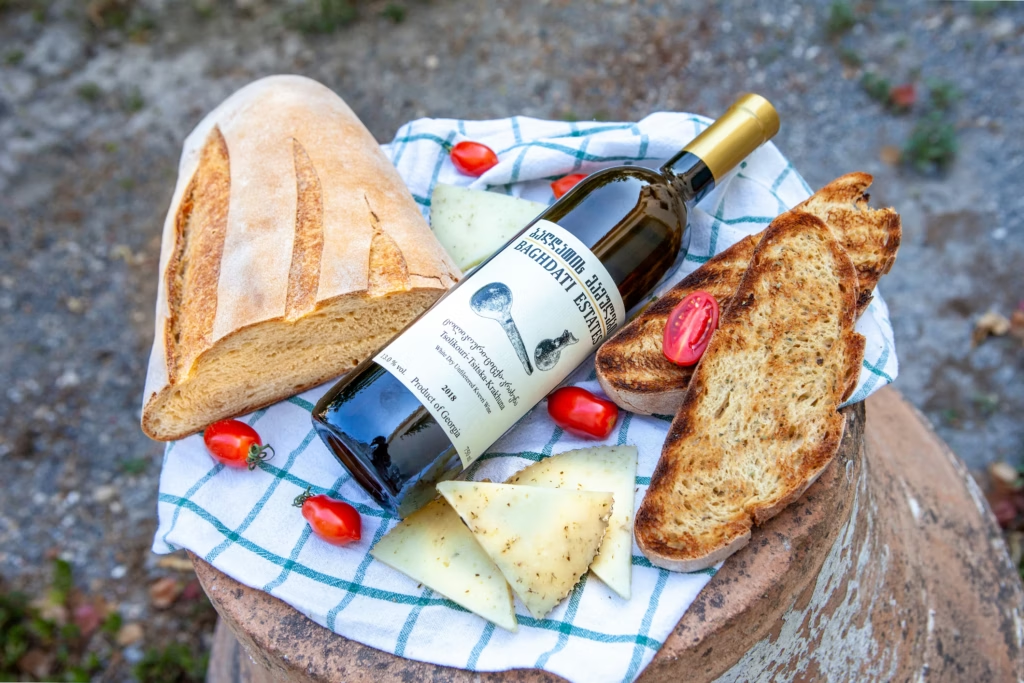
Sourdough Bread & Cabernet Sauvignon
Cabernet Sauvignon is bold, structured, and full-bodied — the kind of wine that appreciates a sturdy partner. A rustic loaf of sourdough fits the bill perfectly.
The hearty texture and earthy flavor of sourdough hold up beautifully against Cabernet’s deep notes of dark fruit, spice, and tannin. Together, they create a pairing that feels rich, comforting, and just a little indulgent.
Perfect for a cozy dinner at home or a relaxed evening with friends.

Orginal bottle style Chianti
Ciabatta & Chianti
Chianti is known for its bright acidity and lively flavors of tart cherry and earth—basically the wine that shows up with a little attitude and wakes up your entire palate.
Pair it with ciabatta and suddenly you’re living your best effortlessly Italian life… no passport required.
Ciabatta’s soft, airy interior and slightly chewy crust balance Chianti’s bold, dry character, making every bite and sip feel perfectly in sync. It’s the kind of pairing that just gets each other—no awkward small talk, no trying too hard.
Picture a warm summer evening, a table in the garden, friends gathered around plates of lasagna or spaghetti and meatballs, a bottle of Chianti open, and a basket of fresh ciabatta within reach. Someone’s laughing too loud, someone else is reaching for “just one more piece,” and the wine is disappearing faster than anyone planned.
Honestly… that might be the definition of perfection. Or at least a very strong argument for a second bottle.

Rye Bread & Riesling
Here’s a pairing that happily breaks the usual rules — a hearty bread with a lighter white wine.
Rye bread has a dense texture and bold flavor that pairs surprisingly well with Riesling’s bright acidity and touch of sweetness. The wine softens the bread’s robust character, creating a balanced and refreshing combination.
This duo works beautifully for brunch or a light lunch, especially alongside smoked fish, cheese, or simple sandwiches.
Focaccia & Sangiovese
Focaccia’s olive oil richness and herbaceous flavors make it a natural partner for Sangiovese.
This Italian red wine often shows vibrant notes of plum, cherry, raspberry, and strawberry, along with a savory edge that complements the salty, aromatic character of focaccia.
It’s a relaxed, crowd-pleasing pairing that feels right at home at a casual dinner with family or a laid-back evening with friends.

Fresh loafs of French Bread
In the end, bread and wine pairings don’t have to be complicated. There are guidelines, sure… but there are also plenty of delicious rule-breakers. The real secret is simple: start with good bread, pour a wine you enjoy, and see what happens. If the flavors work together, fantastic. If they don’t, well… you still have bread and wine, which means you’re doing better than most people already. So, slice the loaf, pour another glass, and call it “research.” Cheers!