
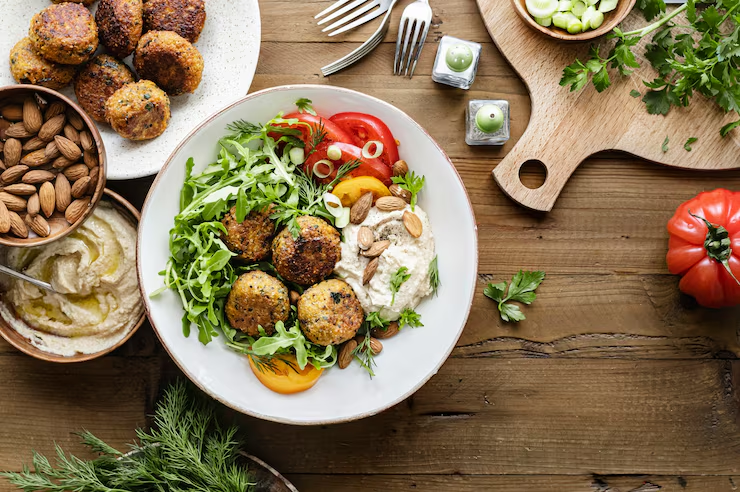
When it comes to pairing wine with plant-based meals, the old rules still work—white wines with lighter fare and reds with the “meatier” veggie imposters. But let’s be honest: your cauliflower steak isn’t fooling anyone, so give it a medium-bodied red anyway and let it pretend.
Crisp, unoaked whites like Pinot Gris, Sauvignon Blanc, Viognier, or a slightly sweet Riesling are your besties for lighter veggie dishes. They’ll keep things bright, zippy, and balanced—like the friend who shows up to yoga and actually enjoys it.
Still don’t know what to pour? Sparkling wine is basically the Beyoncé of wine pairings—it goes with everything, never disappoints, and always makes the party better.
A Vegetarian Dinner, a Wine Glass, and My Clueless Self
Let’s talk about the uniquely stressful moment when you’re standing at a vegetarian dinner party, balancing a plate of wonderful food… that you cannot identify. Is that roasted squash or sweet potato? Lentils? Chickpeas? Something marinated in tahini with confidence. You nod approvingly while your brain whispers, I support this lifestyle, but what am I eating? Meanwhile, your wine glass feels suddenly very important. Do you need something earthy? Bright? Something flexible enough to survive surprise tofu, rogue herbs, and a sauce that tastes amazing but defies description? You smile, take a sip, and hope your wine is as open-minded as you’re pretending to be.
You take a careful bite, nod again, and say something safe like, “Wow, this is really good,” which in vegetarian-dinner language can mean anything. Someone nearby mentions how long it took to prepare, and you agree enthusiastically while silently Googling “Is farro a grain or a lifestyle?” You glance back at your wine glass, relieved it still tastes like wine and not confusion. Whatever is happening on your plate, at least your drink feels familiar—steady, comforting, and not asking you any follow-up questions.
By the end of the night, you’ve eaten well, learned at least three new food words, and successfully avoided asking, “So… what is this?” even once. You leave feeling proud, full, and slightly more cultured than when you arrived—proof that vegetarian dinner parties are survivable, even enjoyable, and don’t require a glossary. Sometimes all it takes is an open mind, a sense of humor, and the confidence to smile, sip, and pretend you knew what was on the menu all along.
Pairing Tips
“Pairing wine with plant-based meals doesn’t have to feel like a pop quiz in culinary school. Translation: Sauvignon Blanc with your salad, Merlot with your mushroom burger. But hey, rules are made to be bent—just like that piece of asparagus you over-roasted.
Crisp, unoaked whites like Pinot Gris, Sauvignon Blanc, Viognier, or a cheeky off-dry Riesling are perfect with lighter veggie dishes. Think of them as the “hydrating cucumber water” of wines—fresh, zippy, and just smug enough.
Not sure what to open? Sparkling wine is your safety net. It’s bubbly, fun, and somehow goes with everything—from zucchini noodles to that vegan cheese you’re pretending not to hate.
Now, if your plant-based meal is on the “I swear this tofu tastes like steak” side of things, bring in some backup: medium-bodied reds that aren’t too bossy. Beaujolais, Grenache, Bordeaux blends, or a soft Merlot will step in nicely—especially if you invite some olive oil or a creamy topping to the party. Even Rosé is like, “Sure, I’ll hang out with your lentils.”
Bottom line: pour what you like, feed it some plants, and call it a pairing.

Remember, wine pairing is basically a matchmaking service. You want the weight of the wine to match the weight of the dish—nobody wants to see a delicate salad get crushed by a burly Cabernet, right?
Sweetness works the same way. The wine should be just a tad sweeter than the dish, otherwise it’ll taste like your dessert ghosted your glass.
And acidity? That’s wine’s built-in referee. A zippy, acidic wine can cut through saltiness like a reality show judge cutting through egos—it keeps the balance, keeps the peace, and makes sure everyone plays nice on your palate.
Tips
- Beans (black, lentil, pinto): Pair with sparkling wines, rosé, and light to medium reds.
- Vegetables (tomato, eggplant, red, yellow, and bell peppers): Pair with aromatic whites, rosé, medium reds, and full-bodied reds.
- Vegetables (kale, avocados, broccoli, green beans): Pair with sparkling wines, light whites, or New World Chardonnay.
- Mushrooms (chanterelle, cremini, maitake, shiitake): Pair with full-bodied whites, light reds, medium reds, and full-bodied reds.
- Root Vegetables (carrots, squash, pumpkin, sweet potato, potatoes): Pair with full-bodied whites, aromatic whites, rosé, or light reds.
- Nuts (almonds, peanuts, pecans, cashews): Pair with aromatic whites, rosé, or dessert wines.

Bring it home Peanut Sauce with noodles & veggies
- 1 pd linguine
- 1/2 cup creamy peanut butter
- 1/4 cup Rice Wine Vinegar
- 1/4 cup sweet Thai chili sauce
- 2 tablespoons lite soy sauce
- 1/4 cup boiling water
- 1/2 cup, green beans, carrots, onions, onions, red bell pepper Sauteed
- 1/4 cup lime juice
- 1 teaspoon of brown sugar (optional)
- 1/2 teaspoon cayenne pepper
A nice pairing would be a Gewurztraminer or oaked Chardonnay also a off-dry Riesling.
Slice your vegetables and saute in a small amount of olive oil. Cook the vegetables until they remain slightly firm and set aside.
Cook the linguine according to the package instructions until al dente. Reserve 1 cup of the pasta water, then drain the noodles in a colander and rinse them with cool water.
While the noodles are cooking, prepare the sauce. In a large pot, whisk together the peanut butter, chili sauce, soy sauce, cilantro, lime juice, rice vinegar, and cayenne pepper. Add brown sugar if desired for more sweetness. Continue whisking while gradually adding the reserved pasta water in small amounts until the sauce becomes smooth, about 1-3 minute over medium heat. The sauce should be thick but still pourable. Taste and adjust the seasonings as desired, adding more soy sauce for saltiness or more chili sauce for sweetness.
Add the noodles and any vegetables to the bowl with the sauce. Use tongs to toss the noodles until they are evenly coated. Serve the peanut butter noodles in dishes and top with sliced green onions and/or sesame seeds, if desired.
This page contains affiliate links. If you choose to purchase after clicking a link, I may receive a commission at no additional cost to you. Thank you for your support!